
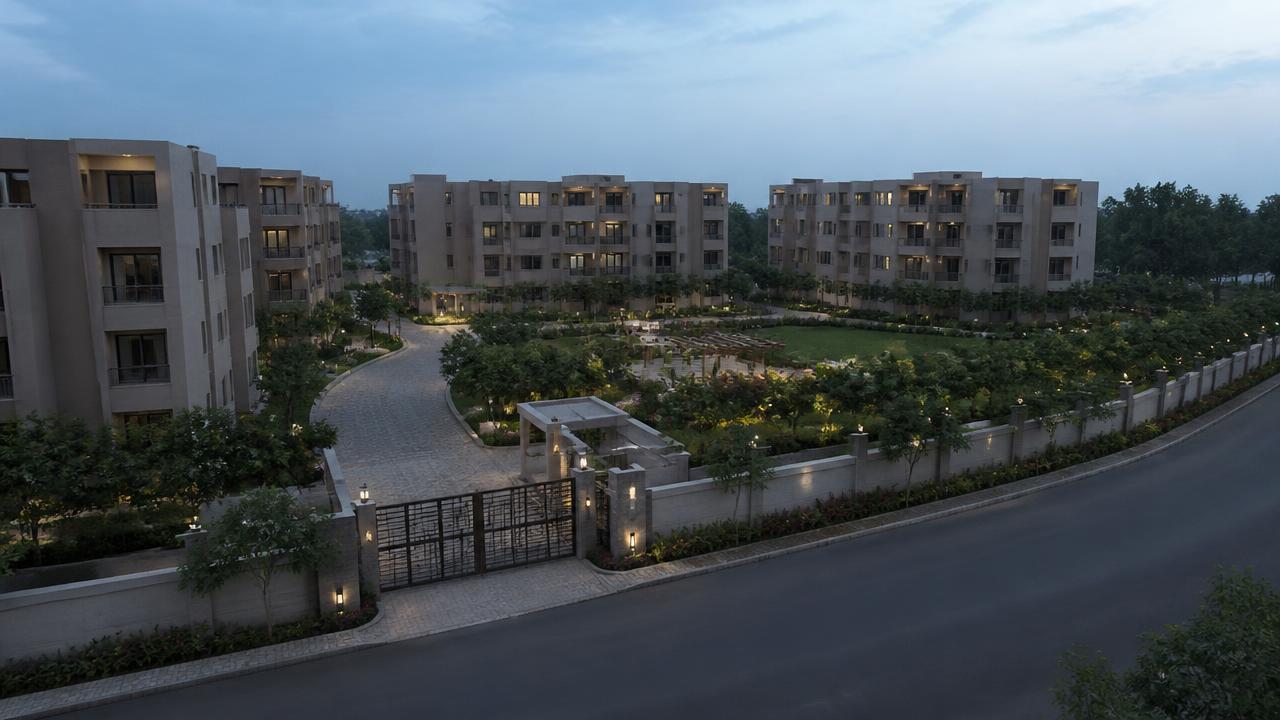
The residential environment demands more precision
A private residential development brings together perimeters, internal streets, gardens, homes, terraces and shared spaces. That proximity makes privacy a central design condition. It is not enough to install an aerial camera and simply warn that it exists.
The Spanish Data Protection Agency recalls that when a drone captures images, sound, geolocation or other information that allows people to be identified, the General Data Protection Regulation and Organic Law 3/2018 apply. In video surveillance work, processing personal data is part of the very purpose of the operation (AEPD, *Drones y protección de datos*).
This does not mean any use is unfeasible. It means the system must be designed with clear limits, an appropriate legal basis and measures proportionate to the risk.
Start with the need, not the camera
The first step is to describe the problem: is the aim to verify a perimeter alarm? to check an out-of-hours access? to support a patrol during a specific incident? The more precise the purpose, the easier it is to justify what information is necessary and what capture is excessive.
A one-off verification mission does not have the same implications as continuous recording. Nor is flying towards an alarm point the same as indiscriminately covering every home. Proportionality must be reflected in the product and in the operation.
Privacy by design
The AEPD guide recommends applying minimisation and data protection by design. In practice, this can translate into very concrete decisions:
- define routes that avoid gardens, windows, terraces and third-party properties;
- limit the field of view or mask areas that are not relevant;
- activate recording only when the mission requires it;
- adjust resolution, zoom and geolocation granularity to the real objective;
- retain only the necessary information for the defined period;
- encrypt communications and restrict access to video and logs;
- document who consults, exports or deletes the information.
The AEPD also notes that the controller must inform about the processing. In video surveillance, visible signage at access points is part of that duty, together with a mechanism to consult the additional information (AEPD).
Deciding who is accountable for the data
In a model involving the community, the security company, the UAS operator and the technology provider, several entities may be involved. It is essential to determine who decides the purpose and means of the processing — the controller — and who processes the data on their behalf — the processor. Contracts must reflect instructions, security measures, confidentiality, subcontracting, retention and incident management.
It must also be analysed whether a data protection impact assessment is required. The GDPR requires one when a type of processing, in particular using new technologies, is likely to result in a high risk to the rights and freedoms of individuals. The AEPD recommends assessing the impact even as good practice when there are reasonable doubts about that risk.
Trust is also a layer of the system
A residential project can fail even if it works technically, if residents perceive it as indiscriminate surveillance. Communication must explain the purpose, the areas covered, the circumstances of activation, the safeguards and the channel to exercise rights or raise questions.
It helps to set understandable rules: the drone does not patrol over homes; it takes off in defined situations; it avoids private areas; images are limited to authorised personnel; every mission is logged; and there is a procedure for incidents or complaints.
These rules create an operational advantage. They force better route design, reduce irrelevant data and make the information reaching the ARC more manageable.
Security without intrusion
Technology makes it possible to observe more, but the goal should not be to capture everything. It should be to obtain strictly the information needed to manage a security event. In a private community, that difference is decisive.
A responsible deployment combines three assessments: the aeronautical one, the security operations one and the data protection one. When all three are carried out from the start, the drone stops being a flying camera and becomes a limited, auditable tool oriented to a specific purpose.
Privacy is not an obstacle added at the end of the project. It is a property of the service and a condition for residents, operators and security companies to trust it.